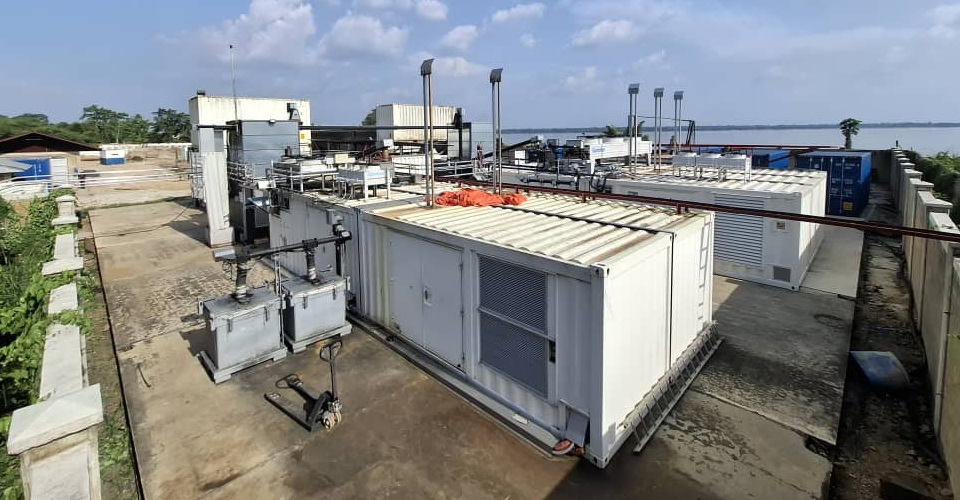
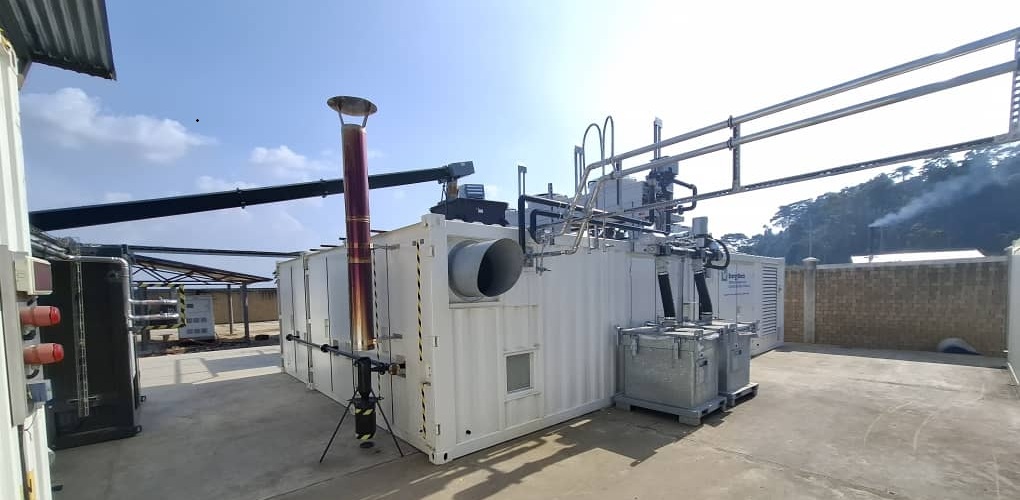
Deep in the equatorial forest, wood from nearby plantations now fuels a plant that supplies electricity and heat to the INERA research station. Built under the FORETS projects, funded by the European Union through CIFOR, it is the culmination of several years of commitment by R&SD.
From the initial studies to commissioning, we have driven the project throughout its development: site preparation and civil engineering works, followed by the installation of the first two units in 2023, with the support of Energy&+.
For Phase 2, R&SD brought together a multidisciplinary team of engineers to integrate the three new units into the existing facility.
Why biomass? R&SD’s studies showed that, in the Yangambi context, it offered the best social and environmental balance. Unlike solar power, it produces energy day and night, all year round, and it was chosen to create local jobs, from tree planting to plant operation. The plantations intended to supply it, partly managed as agroforestry, were designed to store carbon and protect the forest reserve from deforestation. Until they reach maturity, the plant uses wood from the maintenance of INERA’s former plantations. Finally, it provides both electricity and heat: the former to develop new activities, the latter to dry timber for carpentry workshops, grain for flour or fish for easier preservation.
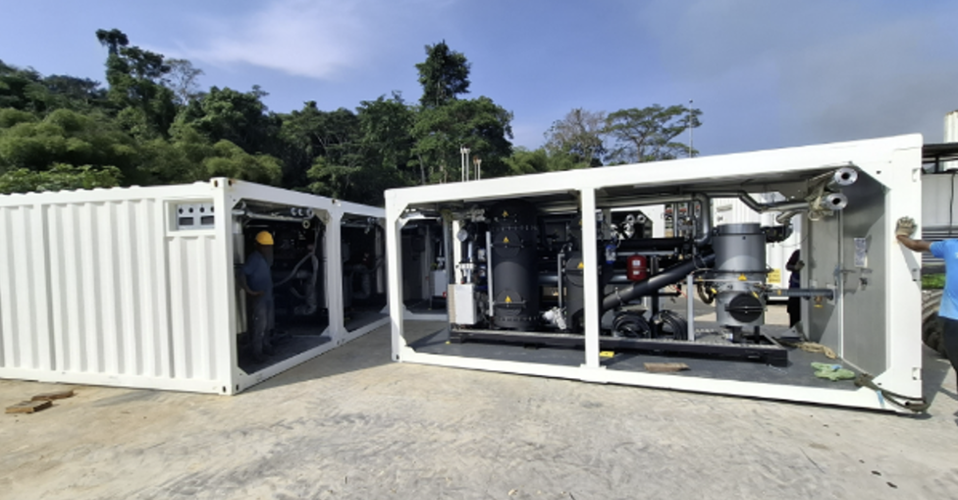
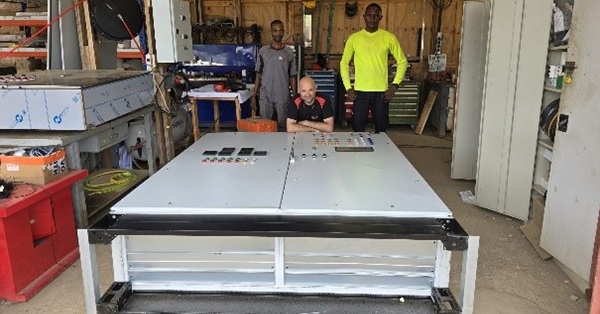
The plant’s operation follows the path of the wood. Chipped on site, it is carried by AL Industries’ modular conveyors to the SPANNER Re² dryers, which use the plant’s heat to dry it. The chips then feed the HKA70 cogeneration units, designed by SPANNER Re² (Germany): a gasifier converts the wood into gas, which drives an engine coupled to a generator, while the engine’s heat is recovered. The process leaves a residue, biochar, which can be used to enrich the region’s soils. The electricity produced is managed by the power management cabinet designed by GKEE SASU, working together with ENTECH Smart Energies’ battery storage system.
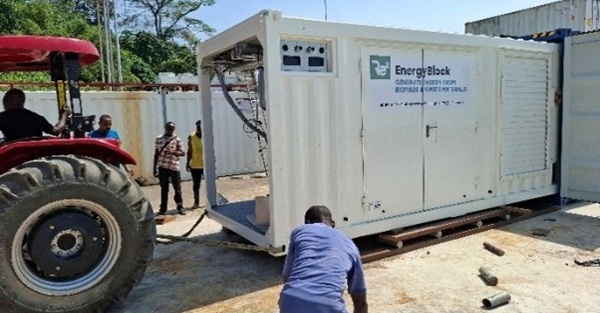
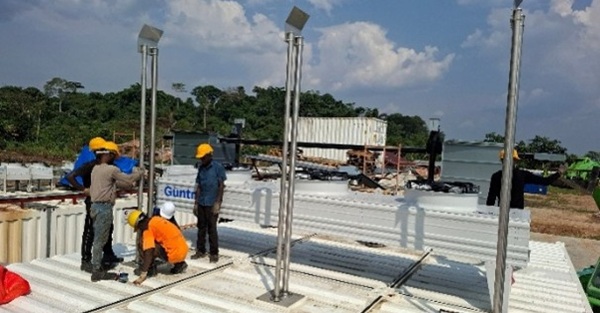
The worksite was as demanding as its location. The containers carrying the new units and their equipment travelled up the Congo River by barge to Yangambi. In spring 2026, amid tropical storms and intense heat, engineers, technicians and local craftsmen, welders, electricians and masons, worked side by side to connect, wire and commission the units. Following validation by the manufacturer, all five units of the plant were fully operational on 30 June 2026, the closing date of our mission. Operation of the plant was then handed over to CIFOR.